
Grey Hairs Incoming -Could Your Diet Be Speeding Up The Process?
Nutrition, Lifestyle and Healthy Ageing - an Osteopaths perspective
Over the past few years, I've started noticing the occasional grey hair - as someone approaching 40 it’s a process I’m totally fine with.
However, as someone who spends every day talking to patients about nutrition, movement and healthy ageing. I found myself wondering if there are factors other than stress and genetics, that have a part to play in the rate of the greys taking over.
Is there anything I can do to slow this down?
Like many things in health, the answer isn't completely straightforward.
Our genes play the biggest role in determining when our hair begins to lose its colour. Some people start greying in their twenties, while others reach their sixties with very few grey hairs. However, research is increasingly showing that our diet, nutritional status and lifestyle may also influence how early this process begins and how quickly it progresses.
The reassuring part is that many of the things that support healthy hair are exactly the same things that support healthy muscles, joints, bones and the rest of the body.
Why Does Hair Turn Grey?
Every hair follicle contains specialised cells called melanocytes. Their job is to produce melanin, the pigment that gives our hair its natural colour.
As we age, these pigment-producing cells gradually become less active before eventually stopping altogether. When new hairs grow without melanin, they appear grey, silver or white.
Age remains the biggest influence, but researchers now know that oxidative stress, smoking, chronic illness and certain nutritional deficiencies may all affect how well these cells continue to function.
The aim isn't to stop ageing—that simply isn't possible—but to give your body the best opportunity to age well.
Could Nutritional Deficiencies Play a Part?
One of the most interesting findings from recent research is that people who experience premature greying are more likely to have deficiencies in several key nutrients.
This doesn't mean a single vitamin will suddenly restore your natural hair colour. However, if your body is lacking nutrients involved in pigment production, correcting those deficiencies may help support healthy hair as it continues to grow.
Vitamin B12
Vitamin B12 is one of the nutrients most consistently linked with premature greying.
It plays an essential role in healthy cell production and nervous system function. Several studies have found that lower B12 levels are more common in people who develop grey hair at a younger age.
Good dietary sources include liver, beef, eggs, fish and dairy products. For those following vegetarian or vegan diets, vitamin B12 deserves particular attention, as supplementation is often required.
Iron
Iron is another important nutrient.
Low iron stores, particularly low ferritin levels, have been associated with premature greying in several studies. Iron is essential for healthy hair follicles and oxygen delivery throughout the body.
Good sources include lean red meat, liver, lentils, beans, spinach and pumpkin seeds. If you're relying mainly on plant sources, eating them alongside foods rich in vitamin C can improve iron absorption.
Copper
Copper often receives less attention, but it plays an important role in producing melanin.
Researchers have found lower copper levels in some people with premature greying, as copper helps activate one of the enzymes responsible for producing hair pigment.
Foods naturally rich in copper include liver, shellfish, cashew nuts, sesame seeds, mushrooms and dark chocolate.
Vitamin D
Most people think of vitamin D in relation to bone health, but researchers have also found that vitamin D deficiency is more common in people with premature greying.
Here in the UK, particularly through the winter months, vitamin D deficiency is relatively common. Maintaining healthy levels supports many aspects of health, even if its exact role in hair pigmentation continues to be researched.
Folate, Zinc and Other Nutrients
Other nutrients including folate, zinc and calcium have also been associated with premature greying, although the evidence isn't quite as consistent.
Taken together, the research points towards something quite simple.
Healthy hair depends upon a healthy body.
Food First, Supplements Second
When people read about vitamin B12, iron or copper deficiencies being linked with grey hair, the natural reaction is often to look for a supplement.
However, the evidence is increasingly suggesting that, wherever possible, obtaining nutrients from a fresh, varied diet is preferable to relying on tablets alone.

Whole foods provide far more than individual vitamins and minerals. They contain protein, healthy fats, fibre and hundreds of naturally occurring compounds that work together to support our health. Researchers often refer to this as the food matrix effect, where nutrients appear to be better utilised when consumed as part of real food rather than in isolation.
For example, oily fish provides vitamin D alongside omega-3 fats and high-quality protein. Liver contains vitamin B12, iron, copper, folate and vitamin A. Nuts, seeds, leafy green vegetables, eggs and colourful fruit all contribute a wide range of nutrients involved in healthy cell function.
Supplements certainly have their place. If blood tests show you are deficient in vitamin B12, iron or vitamin D, supplementation may be the most appropriate way to restore healthy levels. Equally, some people, such as those following vegan diets, may require long-term vitamin B12 supplementation.
But for most of us, the priority should be building a colourful, varied diet made up of minimally processed foods, good-quality protein, healthy fats and plenty of fruit and vegetables.
As an osteopath, that's always the advice I come back to. We often search for one nutrient to solve one problem, when our bodies work as an interconnected system. Looking after the whole system usually provides the greatest benefits.
Does Scalp Massage or Rosemary Oil Help?
Search online and you'll quickly find thousands of videos recommending scalp massage, rosemary oil and expensive serums to prevent grey hair.
At the moment, there is no convincing evidence that scalp massage or topical oils can prevent or reverse grey hair.
Scalp massage may improve circulation to the scalp and some small studies suggest it could increase hair thickness over time. However, these studies looked at hair growth rather than hair colour.
Rosemary oil has also attracted attention because research has shown it may help some forms of hair loss in a similar way to low-strength minoxidil. Again, this relates to encouraging hair growth rather than maintaining pigment.
Personally, I don't think there's any harm in spending a few minutes massaging your scalp. It can be relaxing, may help reduce stress and encourages good scalp care. Just be cautious of anyone promising that an oil or serum can restore your natural hair colour.
Lifestyle Matters Too
Nutrition is only one piece of the puzzle.
Smoking has one of the strongest lifestyle associations with premature greying, largely because it increases oxidative stress within the body. Poor sleep, chronic stress and ongoing inflammation may also contribute over time.

From my perspective as an osteopath, these are familiar themes. The same habits that help us recover from injury and support long-term health are also the ones most likely to benefit our hair.
Eating enough protein, exercising regularly, sleeping well, managing stress, avoiding smoking and maintaining a balanced diet all contribute to healthier ageing.
None of these habits offer a guarantee against grey hair, but together they give your body the best environment in which to function.
Looking Beyond Grey Hair
The more I looked into the research, the more I realised this isn't really a story about grey hair at all.
It's a story about healthy ageing.
Will eating well prevent every grey hair? Probably not.
Our genetics will always have the final say.
But if looking after your nutrition helps your muscles recover better, supports your joints, strengthens your bones, improves your immune system and perhaps even helps your hair maintain its natural pigment for a little longer, I'd say that's a worthwhile investment.
As someone who has recently noticed a few grey hairs myself, I won't be searching for miracle tablets or expensive oils.
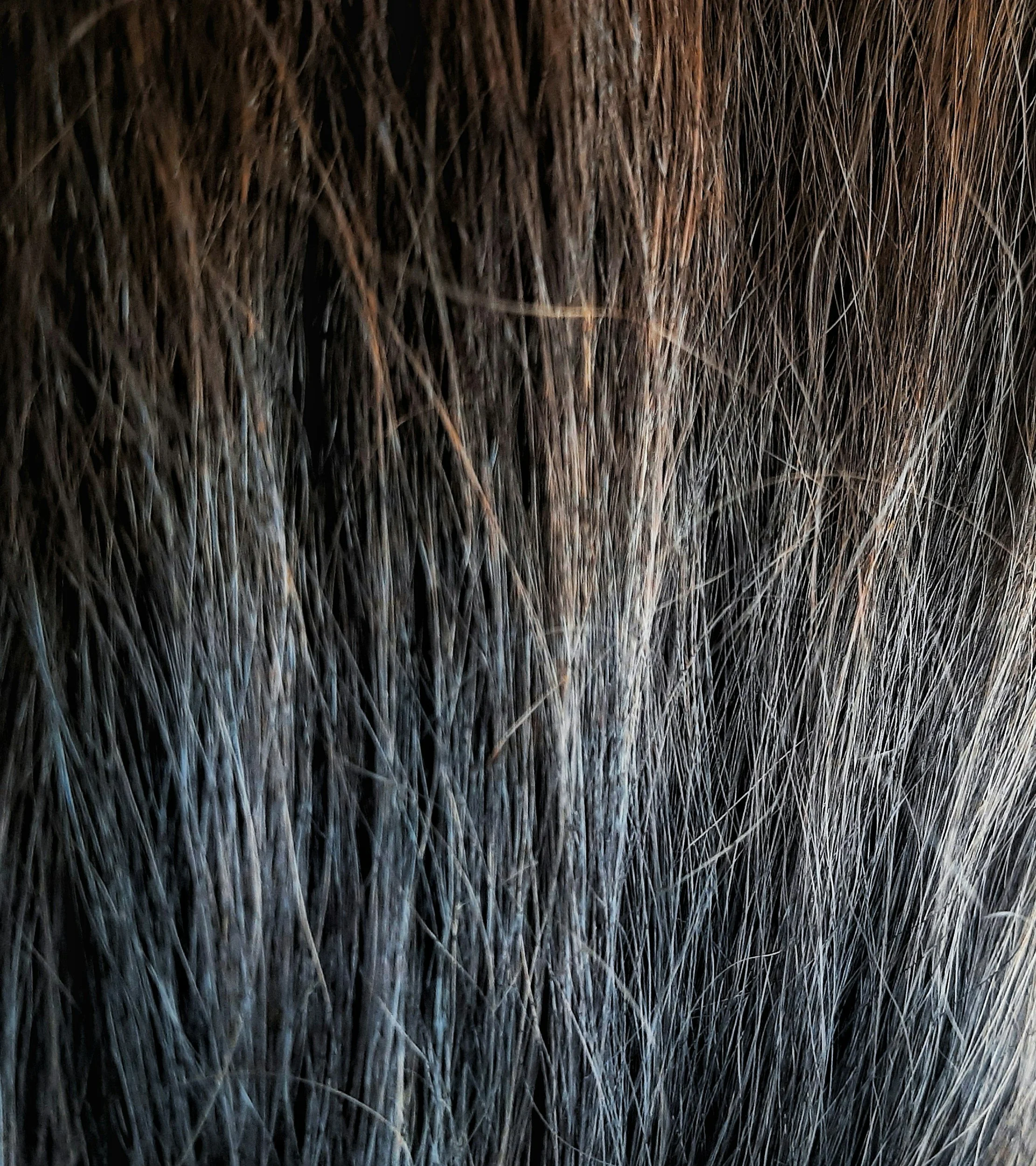
Instead, I'll keep doing the same things I encourage my patients to do every day: eat a varied diet, move regularly, sleep well, manage stress where possible and look after my health as a whole.
My hair will continue to age, just as the rest of me will.
The goal isn't to stop that process. It's to give my body every opportunity to age as well as it can.
References
Kumar AB, Shamim H, Nagaraju U. Premature Graying of Hair: Review with Updates. International Journal of Trichology. 2018;10(5):198–203.
Herdiana Y. Gray Hair: From Preventive to Treatment. Clinical, Cosmetic and Investigational Dermatology. 2025;18:1475–1494.
Kaur K. Adequate Nutrition and Premature Hair Graying: A Review of Literature. Journal of Dermatology Research. 2024:1–8.
Koyama T, Kobayashi K, Hama T, Murakami K, Ogawa R. Standardised Scalp Massage Results in Increased Hair Thickness by Inducing Stretching Forces to Dermal Papilla Cells in the Subcutaneous Tissue. Eplasty. 2016;16:e8.
Panahi Y, Taghizadeh M, Marzony ET, Sahebkar A. Rosemary Oil vs Minoxidil 2% for the Treatment of Androgenetic Alopecia: A Randomized Comparative Trial. Skinmed. 2015;13(1):15–21.
Anggraini DR, Feriyawati L, Hidayat. Serum ferritin and vitamin D levels in premature hair graying of college student at the Universitas Sumatera Utara area. IOP Conference Series: Earth and Environmental Science. 2019;305:012009.